Eating well past 80. Steady weight, enough to drink and safer balance

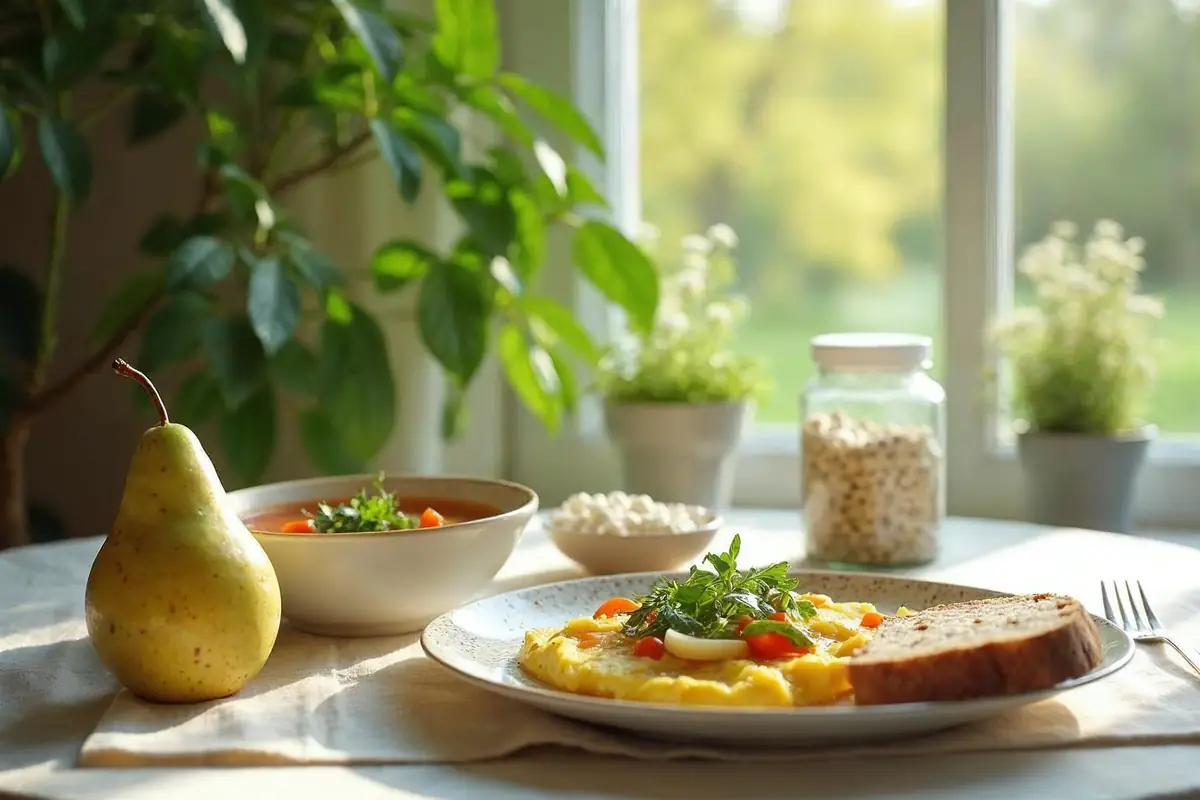
After 80, a steady weight is usually the healthiest target, supported by enough food, enough to drink and regular balance work. Losing weight at this age is only sensible when a GP recommends it.
A coach from the club reviews your circumstances alongside you and suggests the right next steps.
Book your free assessmentIn this article
Steady is the aim
Later in life, small amounts of weight loss can mean lost muscle, weaker legs and a higher risk of falls. A slightly higher weight often gives a useful reserve if illness strikes. So the question changes. Instead of how to lose weight, ask how to stay well nourished and on your feet.
Drinks matter as much as meals
The sense of thirst often weakens with age. Older adults are at greater risk of dehydration, as the NHS page on dehydration explains. Signs include dark urine, headaches, feeling dizzy and tiredness. Keep a glass or jug in sight and sip through the day. Water, milk, tea and coffee all count. Our guide on water and hydration has more ideas.
When food tastes different
Taste and smell can fade, which makes food seem bland and appetite drop. Add flavour without extra salt. Lemon, black pepper, herbs, a little mustard or garlic all help. Colourful plates look more appealing too. Smaller plates with a second helping on offer can feel less daunting than a large portion.
Little meals, often
A big plate at lunch can be hard to finish when appetite is small. 3 modest meals and 2 or 3 snacks often work better. A milky drink in the afternoon, a slice of fruit loaf with butter, or cheese and crackers in the evening all add useful energy and protein. Puddings such as rice pudding or custard with fruit also count. Food that is easy to chew, such as fish, eggs, soft vegetables and stews, helps if teeth or dentures make eating tiring.
Balance, twice a week
Strong muscles and good balance protect against falls. The NHS balance exercises include simple moves such as sideways walking and standing on 1 leg near a wall or chair, and suggest doing them at least twice a week. Always keep something stable within reach.
Weighing for safety
Weigh yourself once a month, at the same time of day. If you lose weight without trying, or clothes and rings become loose, tell your GP. Unplanned weight loss at this age always deserves a check.
For family and friends
If you help an older relative, sharing a meal is among the best ways to support their appetite. Keeping easy foods in the house, such as yoghurt, cheese, eggs, tinned fish and soft fruit, also helps. Our article on protein needs explains why these foods matter.
A friendly start to the day
At Bicester Nutrition, members share breakfast at the club in Churchill Road each morning, and coaches trained in nutrition are there to listen every day. The first assessment is free and takes your own priorities into account. This article is general information and does not replace advice from your GP or another health professional.
Your weight loss curve
Add your profile and the curve is redrawn at once.
Losing 8 kg at the median pace would take roughly 11 weeks, or around 4 months at the gentlest one.
Most guidance puts lasting weight loss at 500 g to 1 kg per week, which is the ideal zone on the chart. Lose more than 1 kg per week consistently and the body eats into muscle and not just fat, shown by the hatched zone.
This projection is a rough guide only. Each person’s journey is their own, and results are not the same for everyone. The sums are done on your device, with nothing stored or sent anywhere. Over 65, speak to your doctor before anything else.
How this curve is calculated
At the top, the zone’s edge marks 500 g per week, the gentlest rate. At the bottom, its edge marks 1 kg per week, the point where risk starts.
Weight comes off faster in the first weeks, much of it water, before the pace eases. Beyond 40, the median curve gradually flattens as metabolism slows down. With the same effort, men generally lose a little faster than women.
Like real life, the journey curve includes plateaus a few days long and minor regains. It is no prediction of the path you will follow.
The tips here are general and are no substitute for medical advice.
Further reading


Daily support is set out in the club programme for better balanced eating.