Burning fat in 1 place. What the body actually does, and what you can change

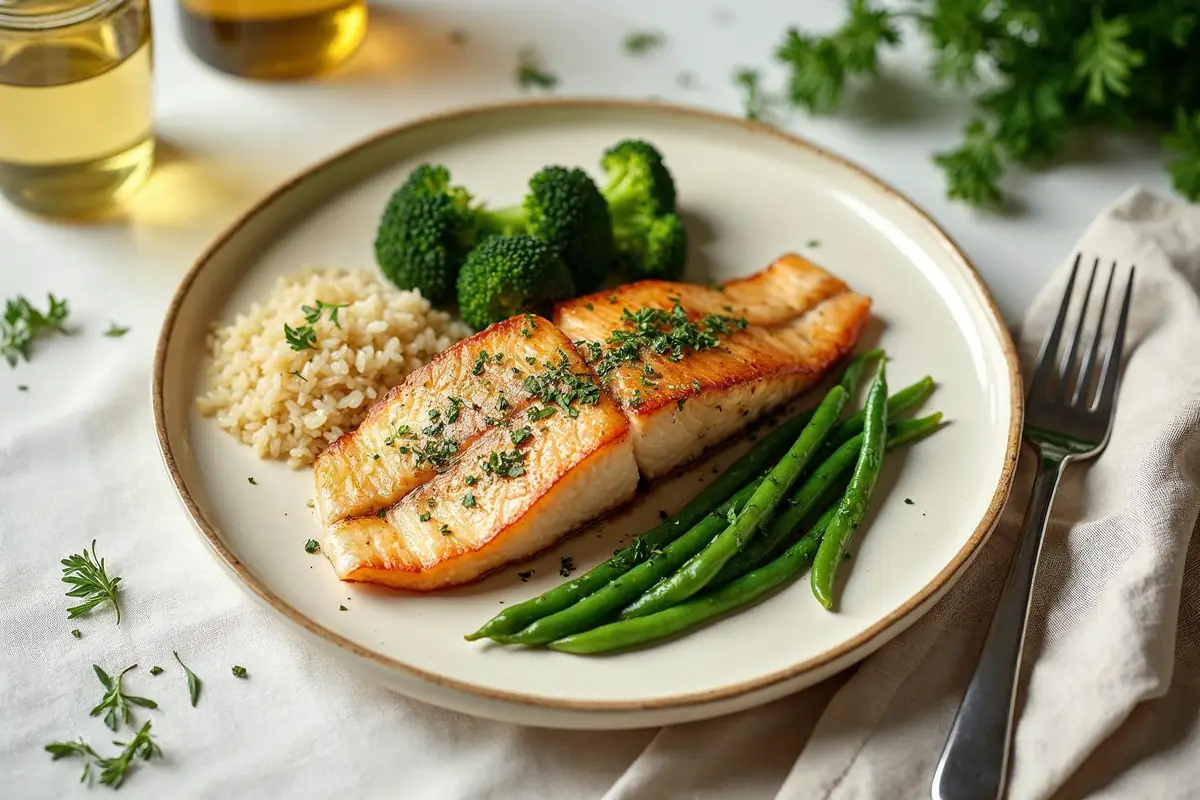
You cannot burn fat from 1 chosen area, because the body draws on its fat stores in its own order, whatever exercise you do. What you can change is your overall fat level and the muscle underneath.
A coach from the club reviews your circumstances alongside you and suggests the right next steps.
Book your free assessmentIn this article
Your body sets the order
When you use more energy than you eat, the body releases fat from stores all over. Which area shrinks first depends on your genes, your sex and your age. Some people notice their face first. Others see their waist change before their thighs. The last place to change is often the first place where weight settled. This order is personal, and no workout rewrites it.
2 kinds of fat
Fat just under the skin is the kind you can pinch. Fat deeper inside the tummy surrounds the organs, and it is more closely linked to health risks such as type 2 diabetes and heart disease. The good news is that this deeper fat often responds well to general changes in eating and activity.
The 1 measurement worth taking
The NICE guideline on overweight, obesity and central adiposity recommends the waist to height ratio. Measure your waist, halfway between the bottom of your ribs and the top of your hips, and compare it with your height. Keeping your waist below half your height is the aim. It is a better health signal than the shape of your arms or thighs.
What you can shape
Exercising a particular area builds the muscle there. That does not melt the fat on top, but as overall fat goes down, firmer muscle changes how the area looks. A mix of daily movement and strength work on 2 days a week covers the whole body. The NHS exercise pages have routines for every level.
What to skip
Wraps, creams, belts and pills that promise to target fat do not change where your body draws its energy from. Spend that money on good food and comfortable walking shoes instead. Very low calorie plans that promise fast results in 1 area are just as unhelpful, because they tend to cost muscle as well as fat.
Patience with the last area
If 1 area seems stuck, it is usually the last in line, not a lost cause. Keep the habits that are working. Take photos and measurements once a month, because the change is easier to spot over weeks than in the mirror each morning. Notice other wins too. Clothes that fit better, more energy on the stairs and steadier sleep all show the plan is working, even when 1 stubborn area has not caught up yet.
Guides for each area
Whole body help
At Bicester Nutrition, coaches trained in nutrition look at the whole picture during your free assessment, and members then meet for breakfast at the club each morning before work. This article is general information and does not replace advice from your GP or a health professional.
Area by area




Your weight loss curve
Add your profile and the curve is redrawn at once.
Losing 8 kg at the median pace would take roughly 11 weeks, or around 4 months at the gentlest one.
Most guidance puts lasting weight loss at 500 g to 1 kg per week, which is the ideal zone on the chart. Lose more than 1 kg per week consistently and the body eats into muscle and not just fat, shown by the hatched zone.
This projection is a rough guide only. Each person’s journey is their own, and results are not the same for everyone. The sums are done on your device, with nothing stored or sent anywhere. Over 65, speak to your doctor before anything else.
How this curve is calculated
At the top, the zone’s edge marks 500 g per week, the gentlest rate. At the bottom, its edge marks 1 kg per week, the point where risk starts.
Weight comes off faster in the first weeks, much of it water, before the pace eases. Beyond 40, the median curve gradually flattens as metabolism slows down. With the same effort, men generally lose a little faster than women.
Like real life, the journey curve includes plateaus a few days long and minor regains. It is no prediction of the path you will follow.
The tips here are general and are no substitute for medical advice.
Further reading


Daily support is set out in the club programme for better balanced eating.