Stronger, firmer arms. A push and pull approach that fits into ordinary days

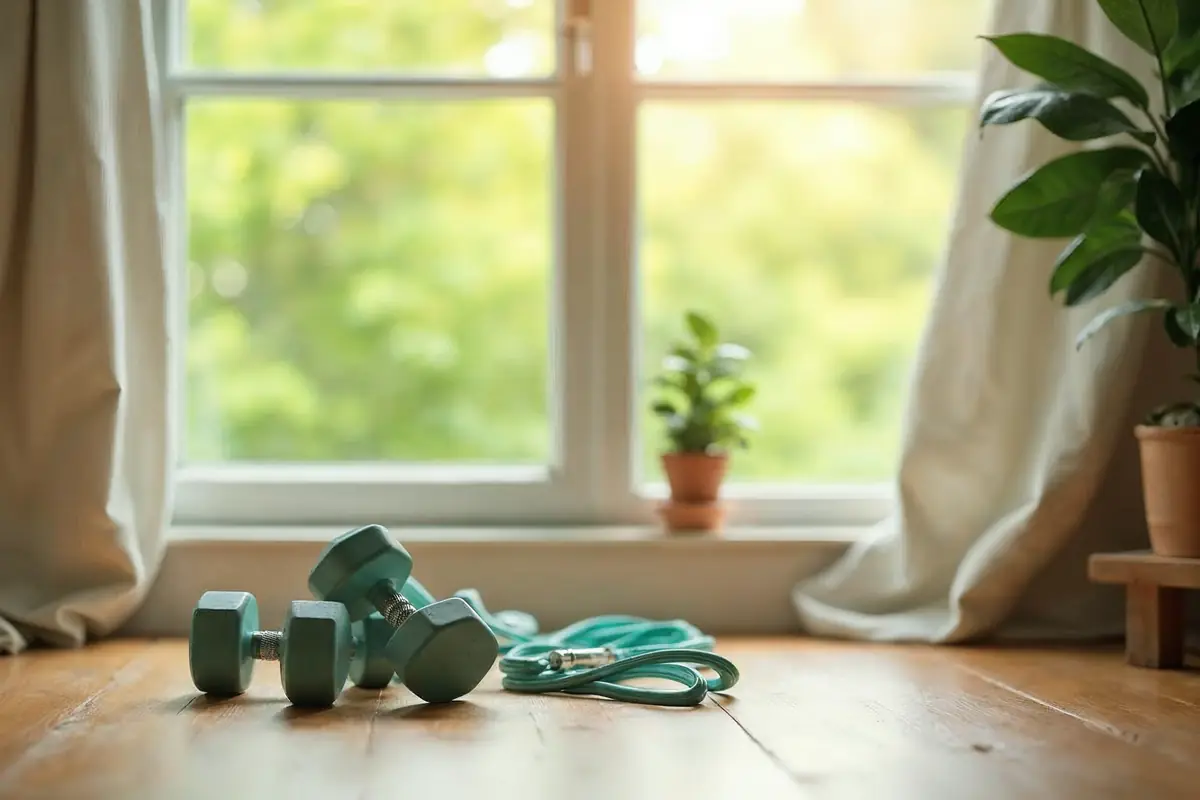
Firmer arms come from 2 things together, lowering overall body fat and building the muscles that push and pull, so train both sides of the arm rather than just 1. You do not need a gym or special equipment.
A coach from the club reviews your circumstances alongside you and suggests the right next steps.
Book your free assessmentIn this article
Arms work in pairs
The muscle at the back of the upper arm straightens your elbow when you push. The muscle at the front bends it when you pull. Most people spend the day pulling, with bags, doors and children, and rarely push. Training both keeps the arm balanced and helps your shoulders too.
Pushes you can do at home
- Wall press-ups. Hands on the wall at shoulder height, lower your chest towards it and push back.
- Chair dips. Hands on the edge of a sturdy chair, bend your elbows a little and straighten.
- Kitchen counter press-ups. The next step once the wall feels easy.
Pulls with everyday objects
- Bag rows. Lean on a table with 1 hand, hold a shopping bag with tins in the other and draw it to your hip.
- Water bottle curls. Bend your elbows to lift 2 full bottles towards your shoulders.
- Towel pulls. Hold a towel tight between your hands at chest height and pull outwards for 10 seconds.
When to make it harder
Do each move until you could manage only 2 more good repetitions. When you can do 15 easily, make it harder. Move further from the wall, add another tin to the bag, or slow down the lowering part. Aim for 2 or 3 sessions a week with a day between. The NHS exercise pages have more home routines.
Shoulders and posture
Hours at a laptop or on the train to Oxford round the shoulders forward. Gentle stretches for the chest and upper back keep arm work comfortable. The NHS flexibility exercises include easy options you can do in a few minutes.
Food that supports the work
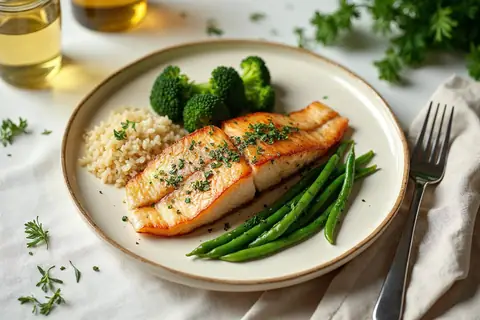
Protein contributes to the growth and maintenance of muscle mass. Include a source at each meal. Eggs, yoghurt, fish, chicken, beans and lentils all work. Our guide on protein needs gives the details. The upper arm only looks firmer once some of the fat on top has gone, which our article on the spot reduction myth explains.
Measure strength, not just inches
Write down how many wall press-ups you can do today. Count again in 6 weeks. Strength often improves well before the arms look different, and seeing it on paper keeps you going.
Breakfast with support
Members of Bicester Nutrition share breakfast at the club before work, with coaches trained in nutrition who follow them every day. The first assessment is free. This article is general information and does not replace advice from your GP or a health professional, especially if you have shoulder or elbow pain.
Your weight loss curve
Add your profile and the curve is redrawn at once.
Losing 8 kg at the median pace would take roughly 11 weeks, or around 4 months at the gentlest one.
Most guidance puts lasting weight loss at 500 g to 1 kg per week, which is the ideal zone on the chart. Lose more than 1 kg per week consistently and the body eats into muscle and not just fat, shown by the hatched zone.
This projection is a rough guide only. Each person’s journey is their own, and results are not the same for everyone. The sums are done on your device, with nothing stored or sent anywhere. Over 65, speak to your doctor before anything else.
How this curve is calculated
At the top, the zone’s edge marks 500 g per week, the gentlest rate. At the bottom, its edge marks 1 kg per week, the point where risk starts.
Weight comes off faster in the first weeks, much of it water, before the pace eases. Beyond 40, the median curve gradually flattens as metabolism slows down. With the same effort, men generally lose a little faster than women.
Like real life, the journey curve includes plateaus a few days long and minor regains. It is no prediction of the path you will follow.
The tips here are general and are no substitute for medical advice.
Further reading
Daily support is set out in the club programme for better balanced eating.