Weight in your 30s. How to stop the slow creep before it adds up


In your 30s, weight rarely arrives all at once, it creeps on by a kilo or so a year, and catching it early is far easier than reversing it later. Small checks now save big efforts at 45.
A coach from the club reviews your circumstances alongside you and suggests the right next steps.
Book your free assessmentIn this article
The slow creep
A gain of 1kg a year sounds harmless. Over 10 years it becomes 10kg, about 1 stone 8lb. The causes are ordinary. Less sport than at 20, more hours at a desk, longer commutes and more meals on the go. Preventing this gradual gain is now part of the NICE guideline on overweight and obesity, which shows how seriously it is taken.
An early warning you can see
Your waistband is a better alarm than the scales. If your usual jeans feel tight for 2 weeks in a row, treat it as a signal, not a crisis. Measure your waist once a month at the same spot. A tape costs a pound and tells you more than a fancy app.
Friday to Sunday
For many people in their 30s, weekdays are fairly steady. The weekend is where things change. A late breakfast, a long lunch, takeaway on Saturday and a roast on Sunday can add up to more than the rest of the week. Keep 1 meal as the treat and the others simple.
Drinks and social life
Alcohol carries plenty of energy and lowers your guard around food. A few pints or glasses of wine on Friday and Saturday can equal an extra meal or 2. The UK advice is to drink no more than 14 units a week, spread across several days. Alternating with water or a soft drink without sugar makes nights out easier on the waistline.
Labels in 2 minutes
Busy shoppers rely on ready meals and snacks. The traffic light colours on the front of packs help you compare quickly. The NHS guide on how to read food labels explains what high and low mean for fat, sugar and salt. Pick more greens and ambers, fewer reds.
A morning anchor
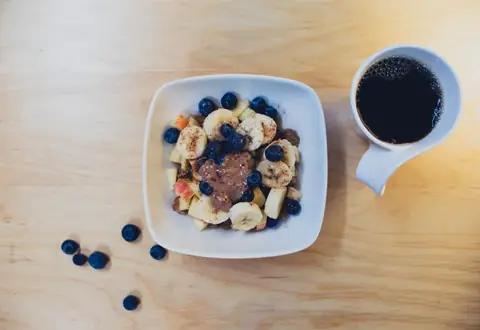
If your mornings start with a rush to catch the train from Bicester Village to Marylebone, breakfast is often the first thing to go. Skipping it can lead to snacking by 11am. A planned breakfast keeps the day steady. Our guides to the best breakfast for weight loss and snack ideas give easy options.
Small targets, kept
Pick 1 change per fortnight. Walk to the station. Swap a fizzy drink for water. Cook twice more each week. When a change feels automatic, add the next one.
Before work, at the club
Bicester Nutrition opens at 6:30am on weekdays except Tuesday, so members can have breakfast at the club before heading to work. The free assessment is a simple way to see where you stand. This article is general information and does not replace advice from your GP or a health professional.
Your weight loss curve
Add your profile and the curve is redrawn at once.
Losing 8 kg at the median pace would take roughly 11 weeks, or around 4 months at the gentlest one.
Most guidance puts lasting weight loss at 500 g to 1 kg per week, which is the ideal zone on the chart. Lose more than 1 kg per week consistently and the body eats into muscle and not just fat, shown by the hatched zone.
This projection is a rough guide only. Each person’s journey is their own, and results are not the same for everyone. The sums are done on your device, with nothing stored or sent anywhere. Over 65, speak to your doctor before anything else.
How this curve is calculated
At the top, the zone’s edge marks 500 g per week, the gentlest rate. At the bottom, its edge marks 1 kg per week, the point where risk starts.
Weight comes off faster in the first weeks, much of it water, before the pace eases. Beyond 40, the median curve gradually flattens as metabolism slows down. With the same effort, men generally lose a little faster than women.
Like real life, the journey curve includes plateaus a few days long and minor regains. It is no prediction of the path you will follow.
The tips here are general and are no substitute for medical advice.
Further reading

Daily support is set out in the club programme for better balanced eating.