Snacks when you are losing weight, when they help and what to keep ready

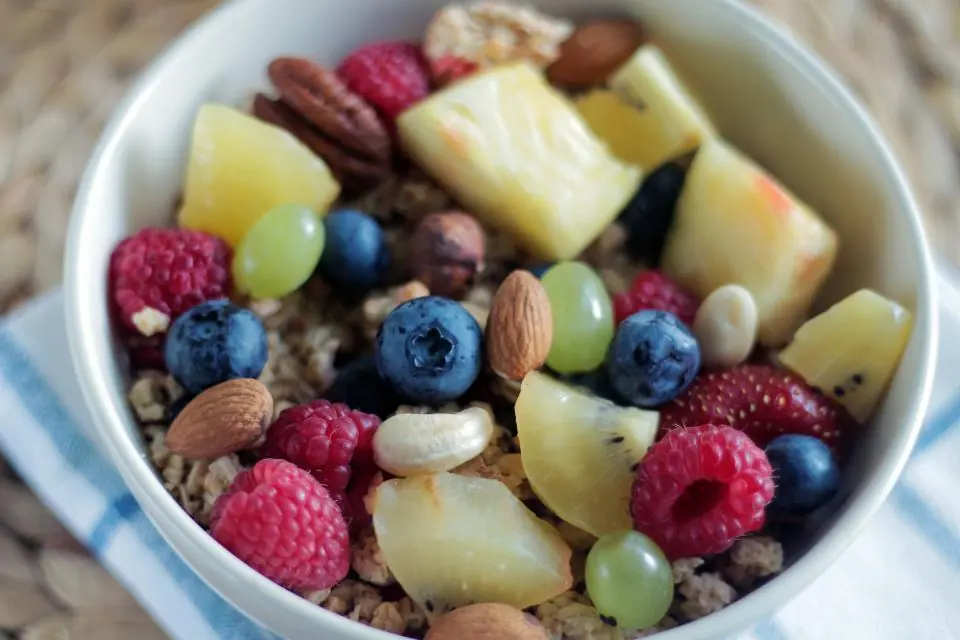
A good snack for weight loss is planned in advance, contains protein or fibre and comes to roughly 100 to 200kcal. Snacks are neither good nor bad on their own. They help when there is a long gap between meals, and they hinder when they turn into grazing.
A coach from the club reviews your circumstances alongside you and suggests the right next steps.
Book your free assessmentIn this article
When a snack earns its place
- Your lunch and dinner are more than 5 hours apart.
- You train in the late afternoon.
- You know you will be home late and need to avoid arriving ravenous.
If none of these applies, you may not need one. Many people find a breakfast with more protein reduces the mid-morning urge altogether. Our page on feeling fuller for longer explains how.
A snack kit for each place
At your desk
An apple and a small handful of unsalted nuts. A pot of plain yoghurt in the office fridge. Wholegrain crackers with a portion of cheese.
In the car
For long days on the M40, keep a bag of unsalted nuts and some oatcakes in the glovebox, and a bottle of water in the door. It saves a stop at the service station shop.
At home
Chopped vegetables ready in the fridge with hummus, a boiled egg or 2, a pear with a slice of cheese. Plain yoghurt with a few berries makes a good evening option. The NHS lists the benefits of dairy and alternatives in your diet, and lower fat, unsweetened choices are best.
Watch the sugar
Cereal bars, flavoured yoghurts and dried fruit can be surprisingly sweet. The NHS Healthier Families pages offer simple swaps to reduce sugar, and they work just as well for adults as for children. Read the label and compare 2 or 3 options before deciding what to keep in the cupboard.
Portion size matters as much as the choice. A sharing bag of nuts eaten straight from the packet is very different from a small handful. Divide bigger packs into small tubs on Sunday evening, so the decision is already made when hunger arrives.
Hungry or simply bored?
Before you open the cupboard, drink a glass of water and wait 10 minutes. If you would happily eat an apple, you are probably hungry. If only chocolate will do, it is more likely boredom, stress or habit. A short walk or a call to a friend often does the job better. Our article on stress and weight has more on this.
This article does not replace advice from your GP or another health professional, particularly if you have a medical condition or take regular medication.
Fewer snacks, better mornings
A balanced breakfast often cuts down the need for snacks, and at Bicester Nutrition coaches trained in nutrition help members get that first meal right. A free assessment is a good place to start.
Your weight loss curve
Add your profile and the curve is redrawn at once.
Losing 8 kg at the median pace would take roughly 11 weeks, or around 4 months at the gentlest one.
Most guidance puts lasting weight loss at 500 g to 1 kg per week, which is the ideal zone on the chart. Lose more than 1 kg per week consistently and the body eats into muscle and not just fat, shown by the hatched zone.
This projection is a rough guide only. Each person’s journey is their own, and results are not the same for everyone. The sums are done on your device, with nothing stored or sent anywhere. Over 65, speak to your doctor before anything else.
How this curve is calculated
At the top, the zone’s edge marks 500 g per week, the gentlest rate. At the bottom, its edge marks 1 kg per week, the point where risk starts.
Weight comes off faster in the first weeks, much of it water, before the pace eases. Beyond 40, the median curve gradually flattens as metabolism slows down. With the same effort, men generally lose a little faster than women.
Like real life, the journey curve includes plateaus a few days long and minor regains. It is no prediction of the path you will follow.
The tips here are general and are no substitute for medical advice.
Further reading

Daily support is set out in the club programme for better balanced eating.