Carbs and weight loss, 5 everyday staples and how to cook each better

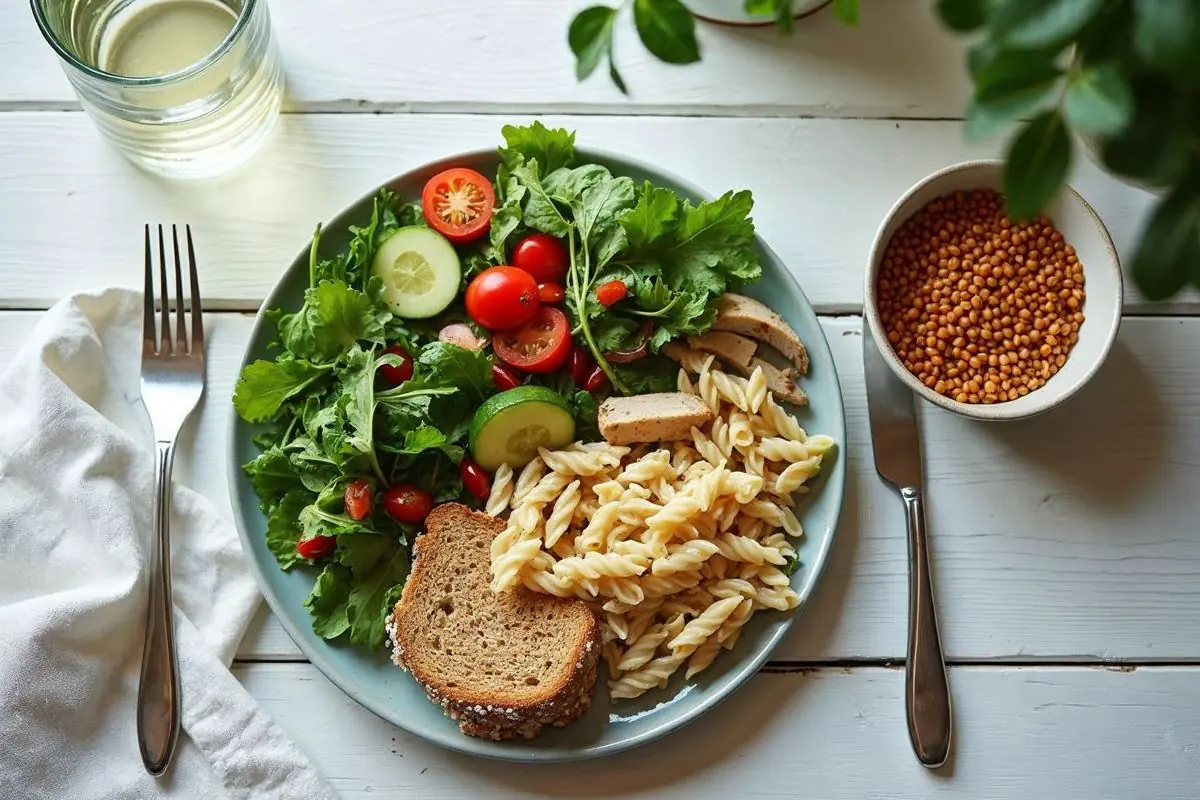
You can keep carbohydrates while losing weight, and the biggest gains usually come from how you cook and serve your staples rather than from cutting them out. Most extra calories in a carb based meal come from the butter, oil, cream or cheese that goes with it. Here are 5 staples and a better way with each.
A coach from the club reviews your circumstances alongside you and suggests the right next steps.
Book your free assessmentIn this article
Oats
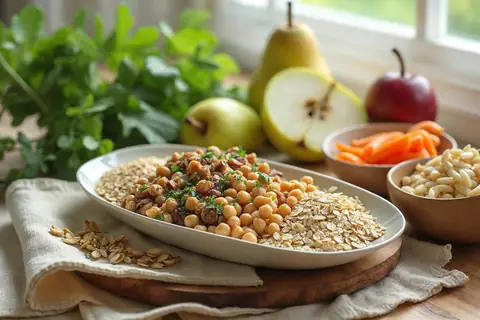
Porridge oats are cheap, wholegrain and quick. Cook them with milk or half milk and half water. Sweeten with grated apple, berries or cinnamon instead of syrup. Jumbo oats take a little longer and give a chunkier bowl. Instant flavoured sachets often contain added sugar, so check the label.
Potatoes
A potato is not the problem. The chips, butter and gratin cream are. Boil or bake them and keep the skins, which hold much of the fibre. Crushed new potatoes with a spoon of olive oil and herbs feel generous. When you roast or toast, the Food Standards Agency advice on acrylamide is to go for gold, aiming for a golden yellow colour rather than dark brown. The Friday market on Market Square is a good place to pick up seasonal potatoes and greens to go with them.
Rice
Brown rice brings more fibre than white, and a mix of the 2 is a gentle start. Measure dry rice with a cup instead of pouring by eye. About 60 to 75g dry per adult is a reasonable portion for many people. Bulk it out with peas, sweetcorn or chopped vegetables stirred in at the end.
Pasta
Wholewheat pasta has more fibre and a nuttier taste. Cook it al dente. Change the ratio on the plate so the sauce and vegetables take more space than the pasta. Tomato based sauces with beans, lentils or fish are lighter than creamy or cheesy ones.
Bread
Choose wholemeal or granary loaves and check fibre on the label. Thin spread or none at all makes a real difference over a week. Open sandwiches with 1 slice and a generous topping are a satisfying lunch.
Starch is not the same as added sugar
Starchy foods and free sugars are both carbohydrates, but they behave differently in a diet. Free sugars in fizzy drinks, sweets and biscuits add energy with little else. The NHS page on sugar in our diet explains the advice to keep free sugars to 30g a day for adults. Wholegrain starchy foods bring fibre and other nutrients alongside the energy.
Portions without scales
For cooked rice, pasta or potatoes, a portion about the size of your fist suits many adults. Fill half the plate with vegetables, a quarter with protein and a quarter with the starchy food. Our article on high-fibre foods lists more wholegrain swaps, and the guide to light evening meals uses the same plate.
The first assessment at the club is free, a calm moment to look at your own staples with a coach trained in nutrition.
If you have diabetes or another condition affected by carbohydrate, follow the plan agreed with your care team. This article does not replace advice from your GP or another health professional.
Your weight loss curve
Add your profile and the curve is redrawn at once.
Losing 8 kg at the median pace would take roughly 11 weeks, or around 4 months at the gentlest one.
Most guidance puts lasting weight loss at 500 g to 1 kg per week, which is the ideal zone on the chart. Lose more than 1 kg per week consistently and the body eats into muscle and not just fat, shown by the hatched zone.
This projection is a rough guide only. Each person’s journey is their own, and results are not the same for everyone. The sums are done on your device, with nothing stored or sent anywhere. Over 65, speak to your doctor before anything else.
How this curve is calculated
At the top, the zone’s edge marks 500 g per week, the gentlest rate. At the bottom, its edge marks 1 kg per week, the point where risk starts.
Weight comes off faster in the first weeks, much of it water, before the pace eases. Beyond 40, the median curve gradually flattens as metabolism slows down. With the same effort, men generally lose a little faster than women.
Like real life, the journey curve includes plateaus a few days long and minor regains. It is no prediction of the path you will follow.
The tips here are general and are no substitute for medical advice.
Further reading
Daily support is set out in the club programme for better balanced eating.