Belly fat in your 40s, why it gathers at the waist and how to rethink your weekday

Belly fat after 40 tends to respond to more protein, less alcohol, 2 short strength sessions a week and earlier nights, far more than to crunches. Many people notice their trousers tightening in this decade while the scales hardly move. That is not bad luck. It is the result of slow changes in the body and in the way the week is organised.
A coach from the club reviews your circumstances alongside you and suggests the right next steps.
Book your free assessmentIn this article
Why the middle fills out
From your 30s, muscle quietly declines unless you use it, and a body with less muscle burns a little less at rest. Hormones move too. For many women the years before the menopause bring fat towards the waist instead of the hips and thighs. For men, a long sitting day and regular pints do much of the work. Late meals, poor sleep and stress then push in the same direction.
Fat stored deep around the waist is the kind that matters most. The British Heart Foundation explains how extra weight round your waist affects your heart and arteries, which is a better reason to act than any mirror.
The drink you forget to count
Alcohol is often the hidden piece. 2 large glasses of wine or 3 pints soon add several hundred kcal to an evening, and they also loosen your judgement about the crisps and the late toast. Choose 3 or 4 alcohol-free evenings a week to begin with, then decide what the weekend looks like.
Muscle at home, no gym needed
Squats to a kitchen chair, press-ups against the worktop, lunges in the hallway and a plank on the living room floor. 20 minutes, 2 times a week, is a realistic start. Muscle is what holds the shape of your waist steady over time, as our piece on why muscle matters when you lose weight explains.
An ordinary weekday, rebuilt
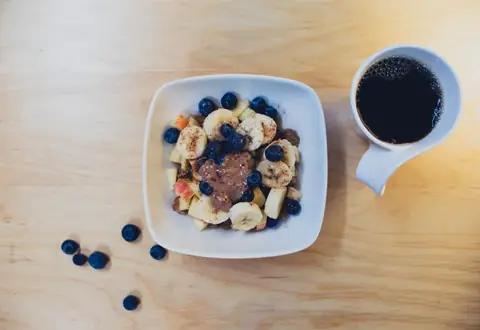
- Before work. A breakfast with protein, such as eggs on wholemeal toast or plain yoghurt with oats and berries.
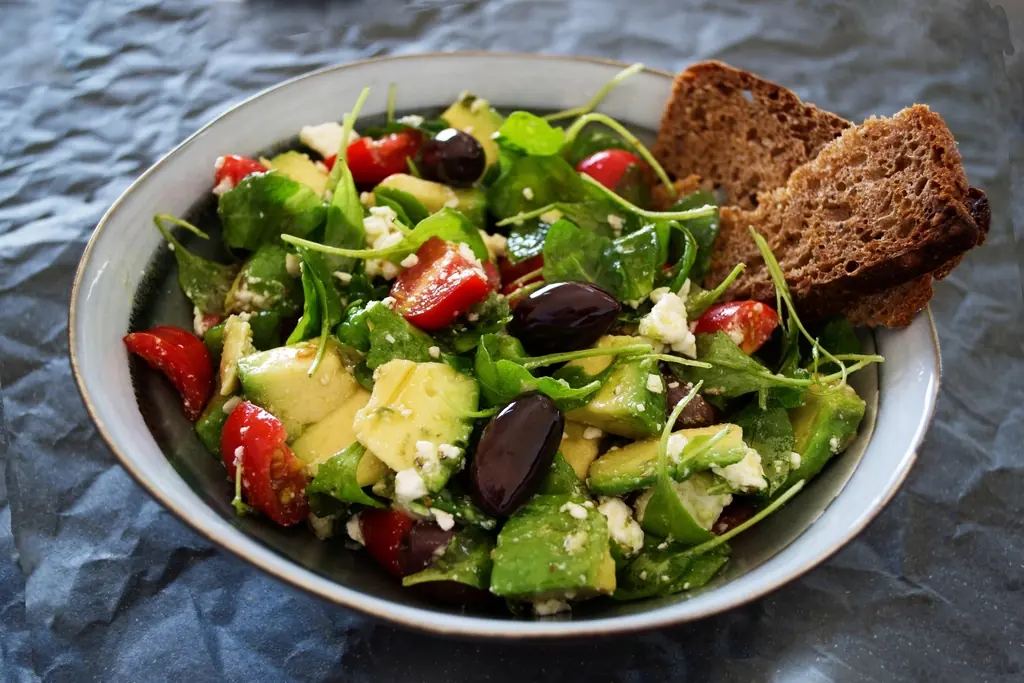
- Midday. Half the plate vegetables or salad, a palm of lean protein and a small portion of wholegrain carbs.
- After lunch. A brisk 10 minute walk, even if it is just a lap of the car park.
- Evening. A lighter plate, with the kitchen closed 2 to 3 hours before bed.
- Bedtime. Phone in another room and a target of 7 hours or more. Our article on sleep and appetite shows why this counts.
If your day starts with a slow crawl down the A41, that drive is exactly where a packed breakfast or a planned lunch saves you from the garage forecourt.
Tracking your waist kindly
Measure your waist every 2 weeks, at the level of your navel, on the same morning of the week. Use the NHS BMI calculator for a wider picture. Women in their late 40s may also find our page on weight changes at the menopause helpful. Give each new habit several weeks before you judge it.
This article does not replace advice from your GP or another health professional, particularly if you have a medical condition or take regular medication.
Breakfast with company in Bicester
At Bicester Nutrition, members sit down to breakfast together at the club each morning before work. If you would like a plan for your own week, it starts with a free assessment.
Your weight loss curve
Add your profile and the curve is redrawn at once.
Losing 8 kg at the median pace would take roughly 11 weeks, or around 4 months at the gentlest one.
Most guidance puts lasting weight loss at 500 g to 1 kg per week, which is the ideal zone on the chart. Lose more than 1 kg per week consistently and the body eats into muscle and not just fat, shown by the hatched zone.
This projection is a rough guide only. Each person’s journey is their own, and results are not the same for everyone. The sums are done on your device, with nothing stored or sent anywhere. Over 65, speak to your doctor before anything else.
How this curve is calculated
At the top, the zone’s edge marks 500 g per week, the gentlest rate. At the bottom, its edge marks 1 kg per week, the point where risk starts.
Weight comes off faster in the first weeks, much of it water, before the pace eases. Beyond 40, the median curve gradually flattens as metabolism slows down. With the same effort, men generally lose a little faster than women.
Like real life, the journey curve includes plateaus a few days long and minor regains. It is no prediction of the path you will follow.
The tips here are general and are no substitute for medical advice.
Further reading

Daily support is set out in the club programme for better balanced eating.