20kg goal, how to stay full and satisfied while eating fewer calories


The way to reach a 20kg goal without constant hunger is to build meals around protein, fibre and vegetables, which fill you up for far fewer calories than processed food. 20kg is around 3 stone 2lb. Over the months it takes, being hungry all the time is what pushes most people to give up, so solving hunger comes first.
A coach from the club reviews your circumstances alongside you and suggests the right next steps.
Book your free assessmentIn this article
Volume is your friend
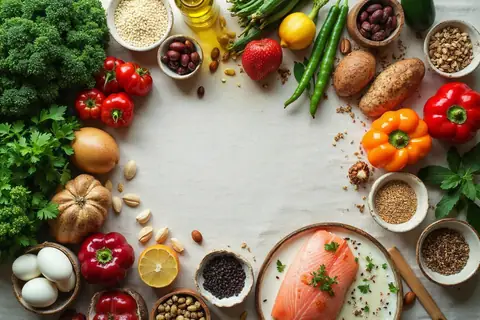
Your stomach notices the size of a meal more than its calories. A large bowl of vegetable soup with beans and a slice of wholegrain bread fills you up. A small pastry with the same calories is gone in 3 bites and leaves you hungry an hour later. Choosing foods with plenty of water and fibre lets you eat generous plates while eating less energy.
The 4 building blocks of a filling meal
- A protein food. Eggs, chicken, fish, tofu, lentils, Greek yoghurt or cottage cheese.
- A good helping of vegetables. Cooked, raw or in soup, ideally half the plate.
- A wholegrain or starchy food in a sensible portion. Oats, brown rice, wholemeal pasta or a jacket potato with its skin.
- A drink. Water, tea or coffee without sugar, before and with the meal.
Fibre, the slow release
Most adults in the UK eat well under the 30g of fibre a day recommended by the government. The BDA food fact sheet on fibre explains the different types and where to find them. Raise your intake gradually and drink enough fluid as you do, to keep your digestion comfortable. You will find practical lists in our guide to high fibre foods.
5 a day, and why it helps here
Fruit and vegetables bring bulk, fibre and colour for very few calories. The NHS explains why 5 a day matters, and when you are losing 20kg it is also one of the simplest ways to make portions feel generous. A handful of berries on porridge, a salad with lunch and 2 vegetables with dinner already brings you most of the way.
Hunger or habit
Not every urge to eat is hunger. Before reaching for a snack, ask whether you would eat an apple. If the answer is no, it is probably boredom, tiredness or stress. A glass of water and a 5 minute walk often settles it. Our page on feeling fuller for longer and our guide to protein needs go deeper into both sides.
Breakfast with your coach
Members of Bicester Nutrition have a breakfast at the club before heading to work, and coaches trained in nutrition help them build meals that keep hunger away until lunch. Your first assessment is free. On a Friday, you can pick up fresh vegetables at the market on Market Square on the way home.
With 20kg to lose, a check with your GP before you start is wise. This article is general guidance and does not replace professional medical advice.
Your weight loss curve
Add your profile and the curve is redrawn at once.
Losing 8 kg at the median pace would take roughly 11 weeks, or around 4 months at the gentlest one.
Most guidance puts lasting weight loss at 500 g to 1 kg per week, which is the ideal zone on the chart. Lose more than 1 kg per week consistently and the body eats into muscle and not just fat, shown by the hatched zone.
This projection is a rough guide only. Each person’s journey is their own, and results are not the same for everyone. The sums are done on your device, with nothing stored or sent anywhere. Over 65, speak to your doctor before anything else.
How this curve is calculated
At the top, the zone’s edge marks 500 g per week, the gentlest rate. At the bottom, its edge marks 1 kg per week, the point where risk starts.
Weight comes off faster in the first weeks, much of it water, before the pace eases. Beyond 40, the median curve gradually flattens as metabolism slows down. With the same effort, men generally lose a little faster than women.
Like real life, the journey curve includes plateaus a few days long and minor regains. It is no prediction of the path you will follow.
The tips here are general and are no substitute for medical advice.
Further reading

Daily support is set out in the club programme for better balanced eating.