Vitamins guide, 5 common beliefs checked against UK health advice


A varied diet supplies most of the vitamins an adult needs, and the main exception for many people in the UK is vitamin D during the darker months. Around that simple fact sit plenty of beliefs that sound right. Here are 5 of them, checked against official advice.
A coach from the club reviews your circumstances alongside you and suggests the right next steps.
Book your free assessmentIn this article
Belief 1, more is always better
Not so. Some vitamins build up in the body, and high doses can do harm. The NHS notes for several vitamins that taking too much over a long period can cause problems, and gives an upper level for each. Food rarely causes an excess. Large doses from pills can. The NHS page on vitamin E is a good example, with a daily need of only 4mg for men and 3mg for women.
Belief 2, fresh always beats frozen
Frozen peas, spinach and berries are picked and frozen quickly, so they keep much of their vitamin content. Fresh produce left for a week in the fridge can lose more. Buy what you will actually eat. Cook vegetables briefly in little water, or steam them, because vitamin C and several B vitamins leak into cooking water.
Belief 3, a summer tan covers the whole year
From October to early March the sun in the UK is too weak for the skin to make vitamin D. Dark mornings on the A41 and evenings indoors make it worse. Vitamin D contributes to the maintenance of normal bones and to the normal function of the immune system. The BDA fact sheet on vitamin D explains UK advice for autumn and winter. Ask your GP or a pharmacist whether it applies to you.
Belief 4, leafy greens clash with every medicine
Only for some people. Green leafy vegetables are rich in vitamin K, which contributes to normal blood clotting. The NHS page on vitamin K says adults need about 1 microgram per kilogram of body weight a day. If you take a blood thinning medicine, your GP or pharmacist will tell you whether your greens need to stay steady. Most people can enjoy them freely.
Belief 5, a diet means fewer vitamins
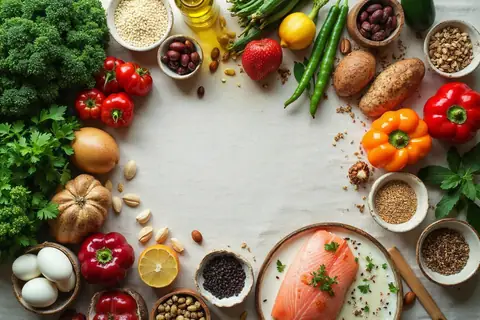
Eating less can mean fewer vitamins if the cuts fall on vegetables and fruit. It need not. Keep the plate half full of vegetables, choose wholegrains and include protein foods such as eggs, fish and pulses. Vitamin E contributes to the protection of cells from oxidative stress, and you find it in seeds, nuts and plant oils, so a small portion of these stays useful. Our guide to high-fibre foods overlaps nicely, since the same foods bring both.
A simple check
Look at a typical day. Do you eat 5 portions of fruit and vegetables, some wholegrains, a protein food at each meal and some dairy or fortified alternatives? If yes, your vitamins are probably well covered. If not, start there before thinking about anything else. Our article on minerals completes the picture.
Mark Wilkinson runs the club in Bicester, where coaches trained in nutrition help members build that kind of varied plate day after day.
Pregnancy, older age and some conditions change vitamin needs. This article does not replace advice from your GP or another health professional.
Your weight loss curve
Add your profile and the curve is redrawn at once.
Losing 8 kg at the median pace would take roughly 11 weeks, or around 4 months at the gentlest one.
Most guidance puts lasting weight loss at 500 g to 1 kg per week, which is the ideal zone on the chart. Lose more than 1 kg per week consistently and the body eats into muscle and not just fat, shown by the hatched zone.
This projection is a rough guide only. Each person’s journey is their own, and results are not the same for everyone. The sums are done on your device, with nothing stored or sent anywhere. Over 65, speak to your doctor before anything else.
How this curve is calculated
At the top, the zone’s edge marks 500 g per week, the gentlest rate. At the bottom, its edge marks 1 kg per week, the point where risk starts.
Weight comes off faster in the first weeks, much of it water, before the pace eases. Beyond 40, the median curve gradually flattens as metabolism slows down. With the same effort, men generally lose a little faster than women.
Like real life, the journey curve includes plateaus a few days long and minor regains. It is no prediction of the path you will follow.
The tips here are general and are no substitute for medical advice.
Further reading

Daily support is set out in the club programme for better balanced eating.